


Orthopedic Resource Center
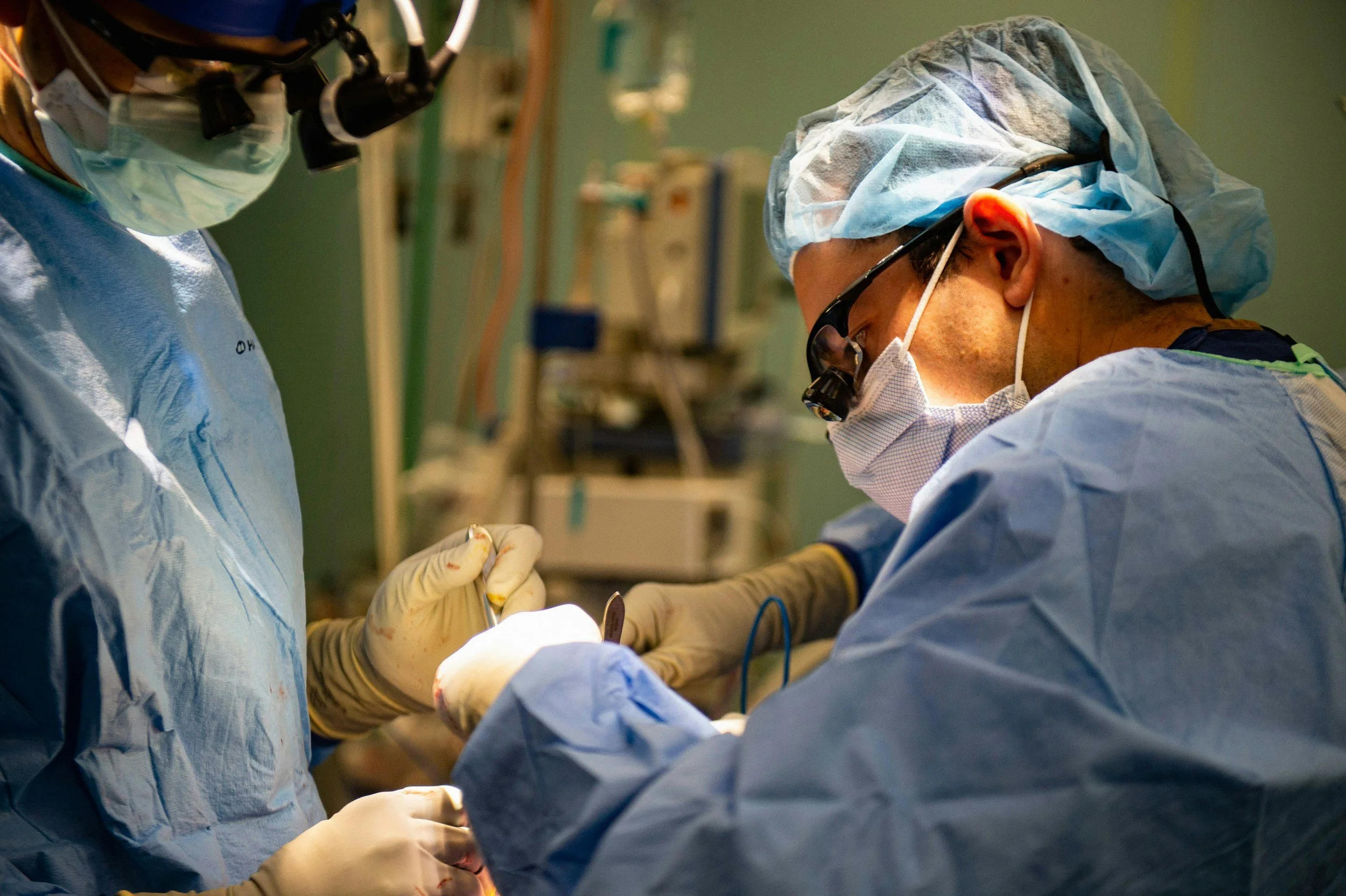
Knee Replacement Administrative Guide
Overview of the Procedure
A total or partial knee replacement (arthroplasty) is a highly structured orthopedic surgery designed to resurface a damaged joint. While the clinical procedure itself is routine for specialized surgeons, the administrative path a patient must navigate from pre-admission to post-acute rehabilitation is incredibly complex. Managing the multiple institutional touchpoints requires strict attention to hospital paperwork and departmental documentation.
Key Factors Driving Administrative Costs
A knee replacement is rarely billed as a single line item. Instead, it is a combination of disparate institutional fees that vary wildly depending on your location, hospital choice, and specific provider network. The total administrative footprint is driven by four primary phases:
Pre-Surgical Clearance & Diagnostics: Before entering the operating room, patients must undergo extensive laboratory screenings, EKG testing, and advanced joint imaging (X-rays or MRIs). These are frequently billed separately by independent diagnostic facilities.
The Implant Equipment Selection: The physical prosthetic components (made of specialized medical-grade alloys or polymers) carry highly variable institutional manufacturer rates. The specific model your surgeon selects heavily dictates the base facility supply costs.
Operating Room & Anesthesia Protocols: Hospitals bill for operating room usage on a precise, time-sensitive scale. Additionally, the administrative fees for the anesthesia team, specialized surgical technicians, and post-anesthesia recovery units (PACU) accumulate independently from the surgeon's fee.
Post-Acute Inpatient Recovery: The length of your hospital stay is a massive variable. A standard one-to-three-day inpatient recovery window incurs daily room-and-board charges, around-the-clock nursing administrative care, and in-hospital physical therapy evaluations.
Navigating the Hospital Bureaucracy
Because a knee replacement touches so many moving parts, patients are routinely inundated with confusing paperwork before and after the surgery. You will likely interact with multiple isolated hospital departments, including:
Pre-Registration and Admissions: Where demographic profiles and initial patient intake forms are completed.
Central Billing Offices (CBO): The off-site corporate department responsible for generating the master institutional bills.
Patient Access Departments: The internal administrative teams that handle facility classifications and case management.
Failing to manage these forms properly or missing strict institutional deadlines can result in severe out-of-pocket overhead, billing errors, or processing denials.
Commonly Overlooked Administrative Overhead
When preparing for a knee replacement, many individuals look only at the main surgical estimate and overlook the secondary, cascading line items that follow. These hidden administrative fees can quickly compound into thousands of dollars in unexpected bills:
The Surgical Assist Fee: Complex orthopedic procedures often require a secondary assistant surgeon or specialized nurse practitioner in the operating room. This professional fee is billed entirely separate from your primary surgeon's bill.
Itemized Medical Supplies: Hospitals routinely itemize every single high-grade consumable asset used during your stay, including advanced cold-therapy compression sleeves, localized pain-pump catheters, and durable medical equipment (DME) like walkers or specialized crutches.
Independent Pathology Reviews: If tissue samples or joint structures are sent to an internal laboratory for analysis during or after surgery, an independent pathologist will issue a separate diagnostic billing statement that does not appear on the standard hospital invoice.
Post-Operative Logistical Complexities
The administrative journey does not end when you are discharged from the hospital. The weeks following a knee replacement require intensive logistical tracking:
Outpatient Physical Therapy (PT): Crucial for regaining mobility, PT involves a continuous series of 12 to 20 individual appointments over several months. Each session generates its own individual facility or clinic paperwork, creating a massive paper trail to manage.
Follow-Up Radiographic Imaging: Surgeons require precise follow-up X-rays at specific weekly intervals (e.g., week 2, week 6) to verify alignment and prosthetic stability, adding ongoing diagnostic administrative files to your records.
Post-Acute Care Classifications: If an individual requires brief placement in a skilled nursing facility or home health nursing visits during the initial recovery phase, the administrative classification of that care must be perfectly aligned with institutional guidelines to avoid massive out-of-pocket processing errors.